
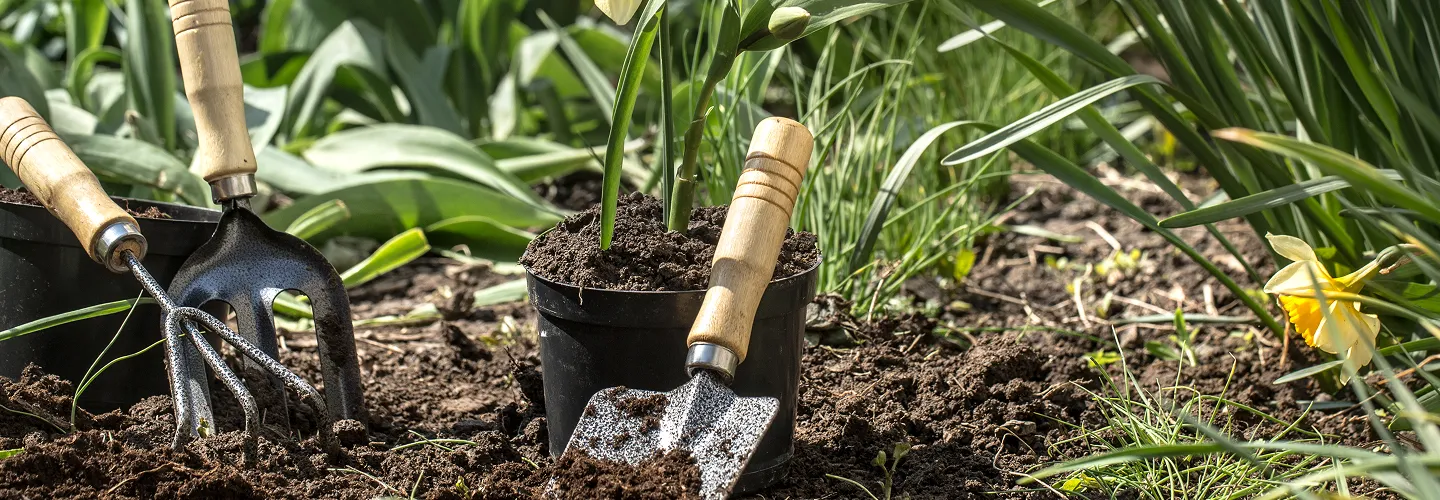
St. James City Flower Planting Services
Choose our expert flower planting services for vibrant, long-lasting gardens tailored to your style and local climate—enjoy professional care, healthy plants, and a stunning landscape that enhances your home's curb appeal.
Get a Free QuoteOur St. James City Landscaping & Yard Care Services
When to Schedule Flower Planting in St. James City, Florida – Seasonal Guide
In St. James City, Florida, timing your flower planting is crucial for vibrant, long-lasting blooms. Thanks to our subtropical climate, the best periods for planting are typically late winter through early spring and again in early fall. These windows allow flowers to establish roots before the intense summer heat or the rare but possible winter chills. Local neighborhoods like Flamingo Bay and areas near Pine Island Sound benefit from slightly different microclimates, so it’s important to consider your specific location.
Environmental factors such as the last frost date—usually in late January—play a significant role in scheduling. The sandy, well-draining soils common in St. James City, combined with high humidity and occasional drought risk, mean that flower selection and timing must be tailored to each property. For more information on local planting guidelines, visit the official resource.
Local Factors to Consider for Flower Planting in St. James City
- Proximity to water bodies like Pine Island Sound, which can affect humidity and soil moisture
- Tree density and shade coverage, especially in neighborhoods like Cherry Estates
- Soil type, with sandy soils requiring specific amendments for optimal flower growth
- Seasonal precipitation patterns and the risk of drought during late spring and summer
- Municipal restrictions or HOA guidelines on landscaping and irrigation
- Terrain variations, such as low-lying areas prone to flooding after heavy rains
Benefits of Flower Planting in St. James City
Expert Local Knowledge
Customized Landscape Designs
Seasonal Plant Selection
Enhanced Curb Appeal
Eco-Friendly Practices
Reliable Maintenance Services
St. James City Flower Planting Types

Annual Flower Beds
-
Perennial Garden Design
-
Native Wildflower Plantings
-
Pollinator-Friendly Gardens
-
Seasonal Color Rotations
-
Shade-Loving Flower Arrangements
-
Drought-Tolerant Flower Selections
Our Flower Planting Process
Site Evaluation
Soil Preparation
Flower Selection
Planting
Watering and Mulching
Why Choose St. James City Landscape Services
St. James City Homeowners Trust Us
-
Comprehensive Lawn Maintenance
-
Reliable Irrigation Solutions
-
Expert Tree and Shrub Care
-
Weed and Pest Control
-
Seasonal Clean-Up Services
-
Competitive Pricing
-
Satisfaction Guarantee
Coordinating Flower Planting Projects with Lee County Departments in St. James City
St. James City is an unincorporated community on Pine Island within Lee County, meaning all land-use oversight, landscaping guidance, and development review fall under county-level departments rather than a municipal government. Residents and property managers planning flower planting projects should coordinate with Lee County's Department of Community Development for any site work that involves changes to landscaping within setback areas, rights-of-way, or parcels subject to development conditions. When flower planting occurs near canal banks, drainage swales, or stormwater outfalls, the county may require that plantings do not obstruct drainage flow or introduce erosion risk. Lee County Parks and Recreation also maintains public landscape standards that can inform species selection and planting approaches appropriate to the island environment.
- Verify whether your parcel has any landscape buffer or planting requirements tied to prior development approvals
- Confirm that proposed plantings along road frontage or canal edges comply with county right-of-way standards
- Contact Lee County Community Development before installing raised beds or hardscape borders that alter drainage patterns
Lee County Department of Community Development
1500 Monroe Street, Fort Myers, FL 33901
Official Website: Lee County Department of Community Development
Lee County Parks and Recreation
3410 Palm Beach Boulevard, Fort Myers, FL 33916
Official Website: Lee County Parks and Recreation
How St. James City's Coastal Soils and Subtropical Climate Shape Flower Planting
St. James City sits at the southern tip of Pine Island in USDA Hardiness Zone 10b, where winter lows rarely drop below 35°F and summer heat regularly exceeds 90°F with high humidity. These conditions define which flowering species establish successfully and which fail within weeks of installation. The community's soils are predominantly sandy and shell-influenced with rapid drainage and low organic matter, meaning nutrients leach quickly and supplemental irrigation is essential during dry-season establishment. The USDA Web Soil Survey confirms that much of Pine Island features sandy coastal soils with limited water-holding capacity.
- Salt exposure: Properties near Matlacha Pass, Pine Island Sound, and open waterfront receive salt spray that limits species selection to salt-tolerant varieties such as blanket flower, beach sunflower, and dune sunflower
- High water table: Low-lying parcels may experience seasonal saturation during the June-through-October wet season, requiring raised bed construction or species tolerant of periodic wet feet
- Nutrient leaching: Sandy soils require slow-release fertilizer applications timed carefully to avoid runoff into adjacent canals and waterways, consistent with guidance from UF/IFAS on protecting Florida's water resources
- Reflected heat: Driveways, shell-rock surfaces, and light-colored structures intensify radiant heat around planting beds, increasing irrigation demand
Navigating Lee County's Regulatory Framework for Flower Planting in St. James City
Flower planting on residential properties in St. James City generally does not require a formal permit, but several regulatory layers apply when projects involve site modifications or proximity to environmentally sensitive areas. Lee County's zoning code addresses landscape buffers, vegetation within setback zones, and planting near protected mangrove or wetland boundaries. Property owners should consult Lee County Zoning to confirm any overlay district restrictions that apply to their parcel on Pine Island.
- Any use of pesticides or herbicides during bed preparation must comply with Florida Statutes Chapter 487, which requires commercial applicators to hold valid FDACS certification
- Fertilizer applications associated with flower planting should follow Lee County's fertilizer ordinance provisions, which align with Florida Statutes §403.9337 and typically restrict nitrogen and phosphorus application during the summer rainy season
- Stormwater management rules under the Florida DEP NPDES Stormwater Program apply to any activity that could discharge sediment, soil amendments, or fertilizer into canal systems or Pine Island Sound
- Irrigation connections for new planting beds should be verified with Lee County Utilities to confirm compliance with current watering restrictions
Lee County Utilities
Official Website: Lee County Utilities
Timing and Methods for Flower Planting Around St. James City's Wet and Dry Seasons
Professional flower planting in St. James City follows a seasonal rhythm dictated by the region's distinct wet season (June through October) and dry season (November through May). Establishing new plantings during the early dry season—typically late October through December—allows root systems to develop before the intense heat and daily thunderstorms of summer arrive. Spring planting remains viable through April if supplemental irrigation is reliable, but installations during peak summer heat face elevated transplant shock and fungal pressure from constant moisture.
- Soil preparation: Amend sandy native soil with composted organic matter to improve water retention without creating drainage problems; avoid heavy clay amendments that impede the naturally fast-draining profile
- Irrigation setup: Install drip emitters or micro-spray heads within beds before planting to ensure uniform coverage; overhead sprinklers waste water to evaporation and promote foliar disease in humid conditions, a concern addressed by EPA WaterSense outdoor guidance
- Mulch application: Apply two to three inches of organic mulch around plantings to moderate soil temperature, suppress weeds, and reduce irrigation frequency; keep mulch pulled back from plant stems to prevent crown rot
- Species selection: Region-appropriate choices for St. James City include pentas, firebush, plumbago, lantana, and native wildflowers suited to Zone 10b; verify salt tolerance for waterfront parcels using the USDA Plant Hardiness Zone Map as a baseline reference
- Post-planting monitoring: Check new installations daily for the first two weeks, adjusting irrigation to prevent both drought stress and overwatering in the porous sandy substrate
What Neighborhoods Do We Serve Throughout St. James City, FL?
- Bokeelia: Located at Pine Island's northern reach, properties here often feature mature tropical landscaping on larger lots with canal access, requiring salt-tolerant flower selections and careful irrigation planning around waterfront edges.
- St. James City Proper: The core residential area along Stringfellow Road includes a mix of older single-family homes and newer construction on sandy fill lots where soil amendment is typically necessary before flower planting.
- Pine Island Center: This mid-island area features slightly more inland parcels with reduced salt exposure, allowing a broader palette of flowering species while still requiring attention to sandy soil drainage.
- Flamingo Bay: A canal-front subdivision where flower planting near seawalls and canal banks must account for tidal influence, salt spray, and stormwater runoff protection.
- Hideaway Waterfront Resort Area: Properties in this section face direct waterfront exposure and often have compact lot footprints, making container and raised-bed flower planting a practical approach for maximizing color without disrupting limited ground space.