
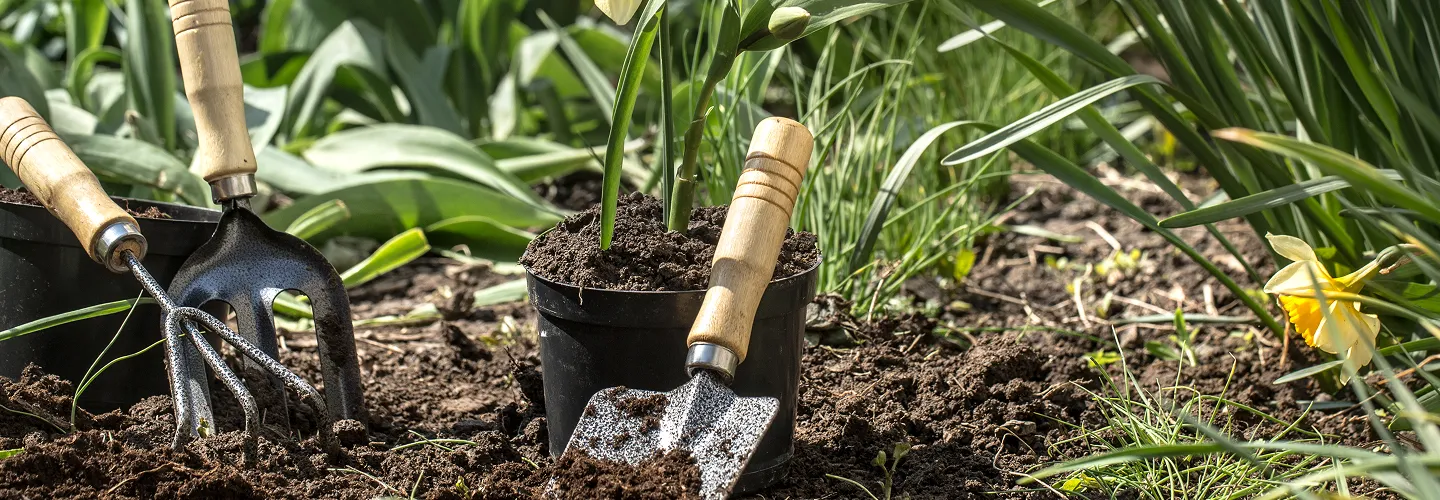
St. James City Sod Installation Services
Choose our sod installation for a seamless, hassle-free transformation—enjoy a vibrant, healthy lawn installed by local experts who care about quality and customer satisfaction.
Get a Free QuoteOur St. James City Landscaping & Yard Care Services
When to Schedule Sod Installation in St. James City, Florida – Seasonal Guide
In St. James City, Florida, the best time to schedule sod installation is typically during the late spring or early fall. These seasons offer moderate temperatures and consistent rainfall, which help new sod establish strong roots before the intense summer heat or occasional winter chills set in. The subtropical climate of St. James City, with its high humidity and sandy soils, means that timing your installation can make a significant difference in the long-term health and appearance of your lawn.
Local neighborhoods like Flamingo Bay and areas near Monroe Canal often experience unique microclimates due to proximity to water and varying shade from mature palms and oaks. It's important to consider factors such as the last frost date, which usually occurs in late January, and the risk of drought during late spring. For more information on local environmental guidelines, you can visit the official municipal resource.
Local Factors to Consider for Sod Installation in St. James City
- Tree density and shade coverage, especially in neighborhoods like Pine Island Center
- Soil type, with sandy and well-draining soils common throughout the area
- Seasonal precipitation patterns and risk of drought
- Terrain variations, including low-lying or flood-prone lots
- Municipal watering restrictions and local ordinances
Benefits of Sod Installation in St. James City
Instant Green Lawns
Erosion Control
Weed Reduction
Professional Installation
Locally Sourced Sod
Enhanced Curb Appeal
St. James City Sod Installation Types

St. Augustine Sod Installation
-
Zoysia Sod Installation
-
Bermuda Sod Installation
-
Bahia Sod Installation
-
Centipede Sod Installation
-
Seashore Paspalum Sod Installation
-
Hybrid Sod Installation
Our Sod Installation Process
Site Preparation
Soil Grading
Sod Delivery
Sod Laying
Watering and Rolling
Why Choose St. James City Landscape Services
St. James City Homeowners Trust Us
-
Comprehensive Lawn Maintenance
-
Reliable Irrigation Solutions
-
Expert Tree and Shrub Care
-
Weed and Pest Control
-
Seasonal Clean-Up Services
-
Competitive Pricing
-
Satisfaction Guarantee
Coordinating Sod Installation Projects Through Lee County Development Services in St. James City
St. James City is an unincorporated community on Pine Island within Lee County, meaning all development coordination, permitting, and land-use oversight falls under county-level departments rather than a municipal government. Property owners planning sod installation should coordinate with Lee County's Department of Community Development when site work involves grading changes, drainage modifications, or activity within utility easements or rights-of-way. For projects that include reshaping swales or altering stormwater flow patterns adjacent to canals, the county's engineering review process may apply. Residents should verify current requirements before beginning subgrade preparation, particularly on waterfront lots where canal-bank setbacks and environmental buffers may restrict the extent of turf coverage.
- Confirm whether your parcel has any recorded drainage easements or stormwater management restrictions before grading for sod
- Coordinate with Lee County Utilities regarding irrigation meter availability and watering schedule compliance during sod establishment
- Review lot-specific zoning conditions through the county's development portal, especially for properties near conservation or mangrove-buffer zones
Lee County Department of Community Development
1500 Monroe Street, Fort Myers, FL 33901
Official Website: Lee County Department of Community Development
How St. James City's Coastal Soils and Subtropical Climate Shape Sod Installation
St. James City sits within USDA Hardiness Zone 10b, characterized by a tropical-subtropical climate with intense summer heat, high humidity, and a pronounced wet season from June through October. These conditions directly influence every phase of sod installation. The community's soils are predominantly sandy and shell-influenced, typical of barrier and near-barrier island settings in Southwest Florida. These soils drain rapidly but retain very little moisture or nutrients, making irrigation uniformity and post-installation watering schedules critical to root establishment. The high water table common across Pine Island can complicate grading, particularly on lower-elevation lots near canals and tidal waterways.
- Salt exposure: Properties near Matlacha Pass, Pine Island Sound, and interior canals face salt spray and brackish groundwater intrusion, which limits turf species selection
- Nutrient leaching: Sandy, shell-based soils allow fertilizer to move quickly through the root zone, increasing the risk of nutrient loading into adjacent waterways; guidance from UF/IFAS Gardening Solutions addresses protecting Florida's water resources
- Fungal pressure: Persistent summer humidity promotes fungal diseases such as gray leaf spot and large patch in warm-season turf, requiring proper species selection and irrigation management
- Storm-season saturation: Newly installed sod during peak wet season may experience waterlogging on poorly graded lots, delaying root anchoring
Navigating Lee County Regulations and Environmental Compliance for Sod Installation
Because St. James City falls under Lee County jurisdiction, property owners must follow county-level land development codes and environmental standards. Sod installation itself does not typically require a standalone permit; however, associated site work—such as regrading, swale modification, or changes to stormwater conveyance—may trigger review through the county's development services. Properties adjacent to canals, mangrove buffers, or designated wetlands are subject to additional environmental review to ensure that turf establishment does not introduce sediment or excess nutrients into protected waterways.
Lee County enforces a fertilizer ordinance consistent with Florida Statutes §403.9337, which restricts fertilizer application during the summer rainy season. This is directly relevant to sod installation because starter fertilizer timing must comply with these restrictions. Any pesticide applications during or after installation must be performed by individuals holding valid credentials through the FDACS Pesticide Applicator Licensing program.
- Verify whether your lot borders a county-maintained swale or drainage canal before altering grade
- Ensure irrigation runoff does not discharge directly into canal systems or stormwater infrastructure
- Confirm compliance with the South Florida Water Management District's irrigation restrictions, which govern watering days and hours during sod establishment
Lee County Zoning
1500 Monroe Street, Fort Myers, FL 33901
Official Website: Lee County Zoning
Timing and Professional Standards for Sod Installation in St. James City's Climate
The optimal window for sod installation in St. James City falls within the active warm-season growth period, generally from late April through early September, when soil temperatures consistently support rapid root development. However, installations during the peak of wet season (July through September) require careful drainage assessment to prevent waterlogging. Late-spring installations allow turf to establish before the heaviest rains arrive, reducing the risk of sod displacement on sloped or poorly graded sites.
- Subgrade preparation: Remove all existing vegetation, debris, and organic matter; grade the site to direct surface water away from structures and toward designated swales or drainage features—not toward canals or neighboring properties
- Soil amendment: On St. James City's sandy, shell-influenced soils, a light incorporation of organic matter can improve moisture retention without impeding drainage; avoid heavy clay amendments that may create perched water tables
- Turf selection: St. Augustinegrass varieties such as 'Floratam' and 'Palmetto' are widely suited to this region; salt-tolerant cultivars are advisable for waterfront parcels; bahiagrass may be appropriate for larger, lower-maintenance lots as noted by UF/IFAS lawn guidance
- Irrigation: Water newly installed sod thoroughly immediately after placement; during the first two weeks, maintain consistent soil moisture without creating standing water or runoff into storm drains or canals; adjust schedules in accordance with South Florida Water Management District restrictions
- Seam and edge management: Stagger sod seams in a brick-like pattern, press edges firmly together, and roll the surface to eliminate air pockets; on sloped areas near canal banks, stake sod to prevent displacement during heavy rain events
Lee County Utilities
Official Website: Lee County Utilities
What Neighborhoods Do We Serve Throughout St. James City, FL?
- Doubloon Drive area: Waterfront lots along this corridor frequently feature canal-front exposure and shell-based fill soils, requiring salt-tolerant sod varieties and careful grading to prevent runoff into adjacent waterways.
- Flamingo Boulevard corridor: Properties here range from modest residential lots to larger parcels, many with mature tropical landscaping that creates partial shade conditions affecting turf species selection.
- York Road and surrounding streets: This interior section of Pine Island's southern tip includes older residential lots where existing grade irregularities and compacted fill may require additional subgrade preparation before sod placement.
- Linger Lane neighborhood: Canal-adjacent properties in this area face high water table conditions and tidal influence, making drainage assessment essential prior to any sod installation.
- Coconut Drive vicinity: Lots near this area often feature mixed sandy and shell soils with proximity to Pine Island Sound, where environmental buffers and salt exposure influence both turf choice and irrigation planning.
- Sixth Avenue and surrounding grid streets: These centrally located residential parcels typically have smaller lot sizes with limited setbacks, requiring precise grading to maintain swale function and prevent stormwater issues for neighboring properties.