
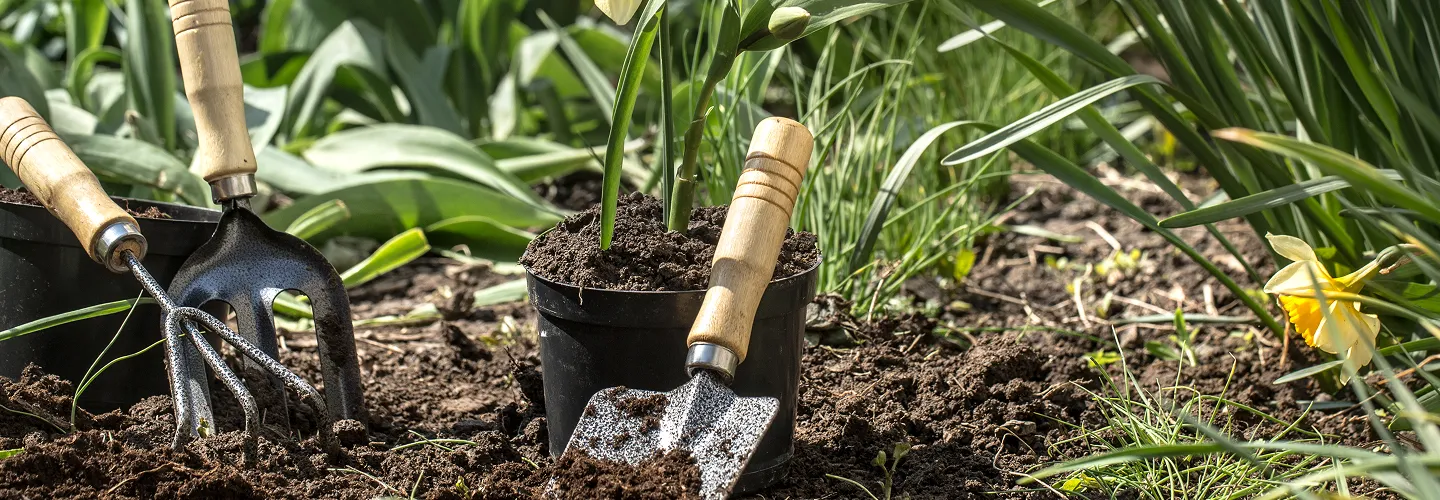
St. James City Green Waste Disposal Services
Choose our Green Waste Disposal for reliable, environmentally responsible removal of your yard debris—keeping your property clean while supporting a greener community.
Get a Free QuoteOur St. James City Landscaping & Yard Care Services
When to Schedule Green Waste Disposal in St. James City, Florida – Seasonal Guide
In St. James City, Florida, the timing of green waste disposal is closely tied to our unique subtropical climate and the rhythms of the local landscape. With mild winters and hot, humid summers, the optimal periods for scheduling green waste removal are typically late winter through early spring and again in late summer to early fall. These windows align with the end of the dormant season and the conclusion of the rainy season, when yard debris from pruning, storm cleanup, and seasonal plant dieback is most abundant.
Local neighborhoods such as Flamingo Bay and areas near Galt Preserve often experience increased green waste accumulation after heavy summer rains or following the first cool snap, which can trigger leaf drop and branch shedding. Factors like high humidity, sandy soils, and the risk of late-season droughts also play a role in determining the best disposal schedule. For residents near the waterfront or shaded lots, timing may be further influenced by salt exposure and shade coverage. For more information on local environmental guidelines, visit the official town resource.
Local Factors to Consider for Green Waste Disposal in St. James City
- Tree density and types of vegetation on your property
- Proximity to water bodies and salt exposure
- Typical precipitation patterns and hurricane season debris
- Soil type (sandy vs. loamy) affecting decomposition rates
- Municipal restrictions and scheduled pickup dates
- Terrain and accessibility for disposal vehicles
- Shade coverage impacting plant growth and debris cycles
Benefits of Green Waste Disposal in St. James City
Eco-Friendly Waste Management
Promotes Healthy Landscapes
Reduces Landfill Usage
Supports Local Sustainability
Convenient Pickup Services
Cost-Effective Disposal Solutions
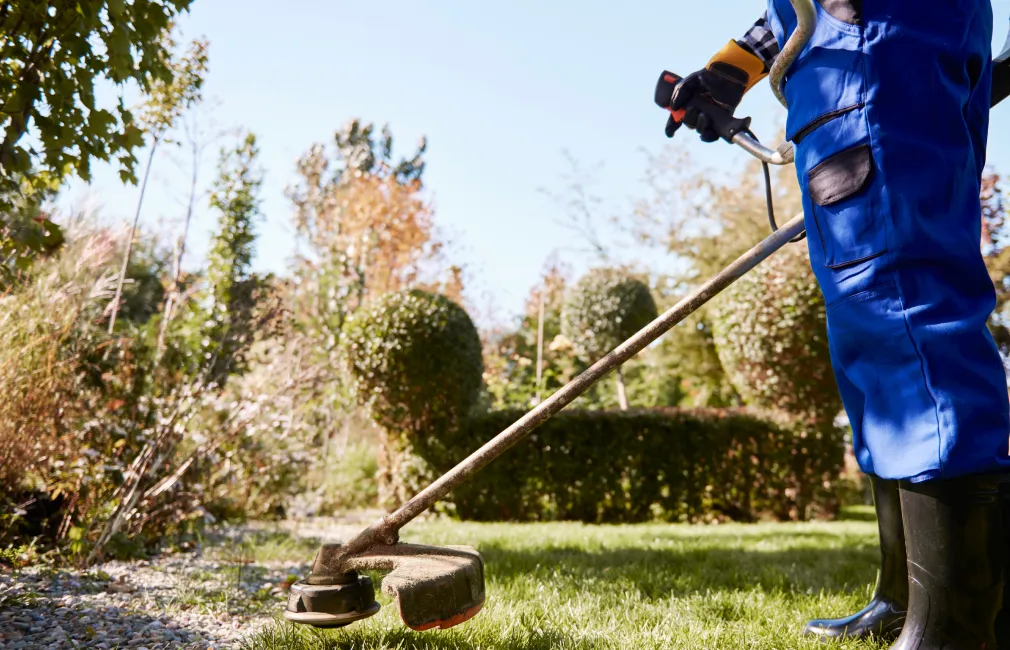
St. James City Green Waste Disposal Types

Yard Debris Removal
Efficient collection and disposal of leaves, branches, and grass clippings.
-
Tree Limb Disposal
Safe handling and removal of fallen or trimmed tree limbs.
-
Brush and Shrub Clearing
Clearing and disposing of overgrown brush and unwanted shrubs.
-
Mulch Recycling
Transforming green waste into reusable mulch for landscaping.
-
Compostable Waste Collection
Gathering organic materials suitable for composting.
-
Storm Debris Cleanup
Removal of green waste and debris after storms or hurricanes.
-
Palm Frond Disposal
Specialized removal of palm fronds and tropical plant waste.
Our Green Waste Disposal Process
Collection of Green Waste
Sorting and Separation
Transport to Disposal Facility
Eco-Friendly Processing
Why Choose St. James City Landscape Services
St. James City Homeowners Trust Us
-
Comprehensive Lawn Maintenance
-
Reliable Irrigation Solutions
-
Expert Tree and Shrub Care
-
Weed and Pest Control
-
Seasonal Clean-Up Services
-
Competitive Pricing
-
Satisfaction Guarantee
Coordinating Green Waste Disposal Through Lee County Services in St. James City
St. James City is an unincorporated community on Pine Island within Lee County, which means all municipal-level services—including green waste collection and disposal—are administered through county departments rather than a city government. Residents and property managers should verify current vegetative debris collection schedules, container or bundling requirements, and any seasonal adjustments directly through Lee County's solid waste division. Green waste generated from routine landscape maintenance, including grass clippings, palm fronds, shrub trimmings, and small branches, must be separated from household trash and construction debris before placement at the curb or transport to an approved facility.
- Vegetative debris should be kept separate from general refuse and recyclables
- Bundled branches and bagged clippings must conform to county size and weight guidelines—verify current limits before placing material curbside
- Commercial landscape operators hauling green waste from St. James City properties may be subject to different disposal routing than residential curbside pickup
- After major storm events, Lee County may activate supplemental debris collection; monitor county announcements for temporary drop-off sites or adjusted schedules
Lee County Government
2115 Second Street, Fort Myers, FL 33901
Official Website: Lee County Government
Lee County Department of Community Development
1500 Monroe Street, Fort Myers, FL 33901
Official Website: Lee County Department of Community Development
How St. James City's Coastal Island Environment Affects Green Waste Disposal
St. James City occupies the southern end of Pine Island, placing it squarely within a Gulf Coast Florida subtropical environment. This setting creates specific conditions that directly influence the volume, timing, and handling of green waste. The community falls within USDA Hardiness Zone 10b, supporting year-round vegetative growth that generates a continuous stream of organic debris. Soils across Pine Island are predominantly sandy and shell-influenced with limited organic content and rapid drainage, which accelerates nutrient leaching when green waste is left in contact with the ground surface.
- High wet-season volume: June through October rainfall drives aggressive growth in St. Augustinegrass, tropical shrubs, and palms, producing substantially more clippings, fronds, and trimmings than dry-season months
- Salt exposure: Properties near Matlacha Pass, Pine Island Sound, and open Gulf shoreline experience salt spray that accelerates leaf drop and branch dieback, adding to disposal loads
- High water table: Sandy, low-elevation lots drain quickly but sit close to groundwater, making it critical that decomposing green waste not accumulate near swales, drainage ditches, or canal edges where nutrient-laden leachate can reach surface water
- Hurricane and tropical storm debris: Storm events can generate massive volumes of vegetative debris in a short period, requiring coordinated disposal beyond routine collection capacity
Residents should recognize that the island's limited road access via Matlacha and the single Pine Island Road corridor can affect hauling logistics, particularly after storms when debris volumes spike across the entire island simultaneously.
Navigating Lee County's Regulatory Framework for Green Waste Disposal in St. James City
Because St. James City is unincorporated, regulatory authority over waste handling, environmental compliance, and land-use standards rests with Lee County and applicable state agencies. Several layers of regulation affect how green waste is generated, stored, transported, and disposed of on the island.
- County code compliance: Accumulated vegetative debris left on a property beyond collection windows may trigger code enforcement action; verify current timelines and placement rules through Lee County
- Stormwater protection: Under the Florida DEP NPDES Stormwater Program, green waste must not be deposited into or adjacent to stormwater conveyances, canals, or retention areas where decomposition could impair water quality
- Tree removal and disposal: Lee County maintains tree requirements for development-related projects; when tree removal generates large volumes of green waste, disposal must comply with both environmental standards and any applicable land-clearing review
- Federal water quality context: The Clean Water Act establishes the baseline framework under which Florida's stormwater permits operate, reinforcing the prohibition against discharging pollutants—including organic debris and yard waste—into waters of the state
Commercial operators transporting green waste from St. James City should confirm whether loads require manifesting or routing to specific licensed facilities. Disposal at unauthorized sites or illegal dumping along roadsides, canal banks, or vacant lots is subject to enforcement by Lee County.
Lee County Zoning
Official Website: Lee County Zoning
Timing and Methods for Green Waste Disposal on St. James City Properties
Professional standards for green waste disposal in St. James City must account for the island's subtropical growth cycles, limited access infrastructure, and environmental sensitivity. Proper handling begins at the point of generation and extends through transport and final disposition.
- Separation at the job site: Green waste should be sorted immediately during landscape maintenance—grass clippings, palm fronds, woody branches, and herbaceous trimmings each have different handling and decomposition characteristics
- Bundling and containerization: Branches are typically bundled in lengths not exceeding four feet and secured with biodegradable twine; loose clippings and leaves should be placed in approved containers or bags rather than left in open piles where wind or rain can scatter material into drainage features
- Wet-season scheduling: During June through October, scheduling disposal pickups or haul-offs more frequently prevents accumulation that attracts pests, generates odor, and creates nutrient-loading risks near the water table
- Storm preparation: Before hurricane season, proactive pruning and removal of dead fronds, weakened branches, and overgrown vegetation reduces the volume of uncontrolled debris generated during storm events
- On-site composting considerations: While small-scale composting of grass clippings and leaf litter is feasible on larger St. James City lots, property owners should ensure compost areas are set back from canal edges, property lines, and drainage swales to prevent runoff contamination
UF/IFAS provides guidance on protecting Florida's water resources that is directly applicable to how green waste is managed near the island's extensive canal network and surrounding estuarine waters.
What Neighborhoods Do We Serve Throughout St. James City, FL?
- Doubloon Drive area: Canal-front lots along Doubloon Drive generate significant palm frond and tropical shrub debris, with disposal logistics influenced by narrow road access and waterfront setback considerations.
- Flamingo Boulevard corridor: Properties along Flamingo Boulevard feature mature landscaping on relatively compact lots, requiring frequent green waste removal to maintain drainage flow through adjacent swales and ditches.
- Galt Island: This gated residential area on the southeastern tip of Pine Island includes waterfront properties where salt-exposed vegetation produces steady dieback material and where disposal access is limited to a single entry road.
- York Road and Sixth Avenue vicinity: Older residential lots in this central area of St. James City often contain dense tropical plantings that generate high volumes of clippings and trimmings throughout the wet season.
- Bokeelia-adjacent northern properties: Lots near the transition to Bokeelia along Stringfellow Road may have larger acreage with mixed native and ornamental vegetation, sometimes requiring commercial-scale green waste hauling rather than standard curbside collection.
- Pine Island Center South: Properties south of Pine Island Center along the main corridor encounter heavier traffic during hauling operations, and green waste placement must avoid obstructing the limited roadway shoulders.