
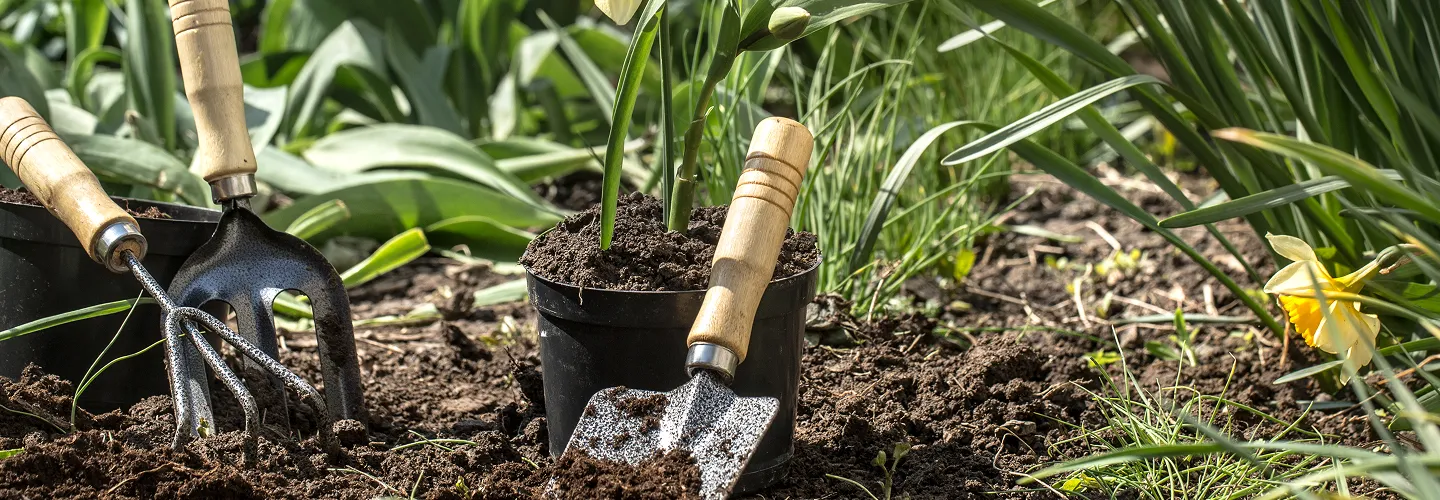
St. James City Lawn Renovation Services
Choose our expert lawn renovation services for lush, healthy grass and a yard that stands out in your neighborhood—our experienced team delivers reliable results tailored to your property’s unique needs.
Get a Free QuoteOur St. James City Landscaping & Yard Care Services
When to Schedule Lawn Renovation in St. James City, Florida – Seasonal Guide
In St. James City, Florida, timing your lawn renovation is crucial for achieving a lush, healthy yard that thrives in our unique subtropical climate. The best periods for lawn renovation are typically late spring and early fall, when soil temperatures are warm enough to encourage strong root growth but before the peak of summer heat or winter's occasional chill. Local neighborhoods like Flamingo Bay and Pine Island Center often see the best results when renovations are scheduled after the last frost date—usually in early March—or just as the rainy season tapers off in late September.
Environmental factors such as high humidity, sandy soils, and the risk of drought during late spring and summer months all play a role in determining the optimal renovation window. Areas near the St. James City Civic Center or along Stringfellow Road may experience more shade coverage from mature trees, affecting grass type selection and renovation timing. For more information on local climate patterns and municipal guidelines, consult the official town resources.
Local Factors to Consider for Lawn Renovation in St. James City
- Tree density and shade coverage, especially in neighborhoods with mature landscaping
- Soil type (sandy or loamy soils common to Pine Island)
- Seasonal precipitation patterns and drought risk
- Proximity to saltwater or brackish environments
- Municipal restrictions or watering schedules
- Terrain and drainage, particularly in low-lying areas
Benefits of Lawn Renovation in St. James City
Enhanced Curb Appeal
Improved Lawn Health
Weed and Pest Reduction
Increased Property Value
Customized Landscaping Solutions
Expert Local Knowledge
St. James City Lawn Renovation Types

Sod Installation
-
Seeding and Overseeding
-
Soil Amendment
-
Aeration Services
-
Weed and Pest Control
-
Grading and Leveling
-
Drought-Resistant Landscaping
Our Lawn Renovation Process
Site Evaluation
Soil Preparation
Seeding or Sod Installation
Watering and Fertilization
Ongoing Maintenance
Why Choose St. James City Landscape Services
St. James City Homeowners Trust Us
-
Comprehensive Lawn Maintenance
-
Reliable Irrigation Solutions
-
Expert Tree and Shrub Care
-
Weed and Pest Control
-
Seasonal Clean-Up Services
-
Competitive Pricing
-
Satisfaction Guarantee
Coordinating Lawn Renovation Projects Through Lee County Development Services in St. James City
St. James City is an unincorporated community on Pine Island within Lee County, meaning all development review, permitting, and land-use oversight falls under county jurisdiction rather than a municipal government. Residents and property managers planning lawn renovation should coordinate with Lee County's Department of Community Development before beginning work that involves grading changes, drainage modifications, or irrigation system alterations. Projects that affect stormwater flow patterns, swale function, or canal-edge setbacks may require site-plan review or engineering evaluation. Property owners should confirm whether their lot falls within a flood zone or environmental overlay before disturbing existing turf and soil profiles.
- Verify current zoning and land-use designations through Lee County before altering grade or drainage
- Confirm whether irrigation modifications require utility coordination through Lee County Utilities
- Review any applicable tree-protection requirements outlined in Lee County's tree requirement guidelines if renovation involves canopy-area disturbance
- Contact the county for guidance on vegetative debris disposal generated during turf removal
Lee County Department of Community Development
1500 Monroe Street, Fort Myers, FL 33901
Official Website: Lee County Department of Community Development
How St. James City's Coastal Soils and Water Table Shape Lawn Renovation Outcomes
St. James City occupies the southern tip of Pine Island, surrounded by Matlacha Pass, Pine Island Sound, and Charlotte Harbor. This Gulf Coast Florida setting creates a distinct set of conditions that directly influence lawn renovation planning. The community falls within USDA Hardiness Zone 10b, supporting year-round warm-season turf growth but also exposing lawns to persistent salt spray, tidal moisture influence, and extreme summer heat. Soils across Pine Island's southern reaches are predominantly sandy and shell-influenced, with very low organic matter content and rapid drainage that accelerates nutrient leaching. The water table sits close to the surface in many areas, particularly during the wet season from June through October, when the region receives the majority of its approximately 54 inches of annual rainfall.
- Sandy, shell-based soils drain quickly but retain almost no nutrients, requiring careful amendment during renovation
- Salt exposure from surrounding tidal waters can damage turf margins and stress root systems on waterfront lots
- High humidity and summer temperatures above 90°F create persistent fungal pressure on recovering turf
- The shallow water table limits deep soil correction and can cause waterlogging during heavy rain events
- Irrigation dependence is high during the dry season (November through May), and watering restrictions may vary by water management district schedule and drought stage
Navigating Lee County Regulations and Environmental Compliance for Lawn Renovation
Lawn renovation in St. James City must account for several layers of regulatory oversight. Lee County enforces land development codes that govern grading, drainage, and stormwater management on residential and commercial properties. Any renovation that alters the direction or volume of surface water runoff—particularly near canals, swales, or retention areas—may trigger review by the county's engineering or stormwater divisions. The Florida DEP NPDES Stormwater Program establishes discharge standards that apply to construction-related land disturbance, and contractors performing lawn renovation at scale should verify whether their project meets the threshold for a stormwater pollution prevention plan.
- Fertilizer applications during and after renovation must comply with Florida Statutes §403.9337, which provides the framework for Florida-Friendly fertilizer use on urban landscapes
- Any pesticide or herbicide application as part of renovation requires proper licensing through the Florida Department of Agriculture and Consumer Services
- Sediment, soil amendments, and organic debris must be kept out of canal edges, roadside swales, and storm-drain inlets throughout the renovation process
- Property owners on waterfront lots should verify setback and buffer requirements before removing or replacing turf near seawalls or mangrove-lined shorelines
Lee County Utilities
Official Website: Lee County Utilities
Timing and Methods for Effective Lawn Renovation in St. James City's Climate
Professional lawn renovation in St. James City follows a sequenced approach adapted to the region's subtropical conditions. The optimal window for major renovation work—including soil correction, turf removal, and re-establishment—falls between late April and early July, when warm-season grasses such as St. Augustinegrass, bahiagrass, and zoysiagrass enter their strongest active growth phase. This timing allows new turf to root before the peak of wet-season rainfall, which supports establishment but also increases disease risk if drainage is inadequate.
- Soil correction should begin with a soil test to identify pH imbalances, organic matter deficiency, and nutrient levels; sandy coastal soils in St. James City frequently require organic amendment and pH adjustment
- Drainage repair is critical on lots with compacted fill, settled grade, or proximity to canal systems; water must flow away from structures and toward designated swales or retention features
- Irrigation audits should precede turf installation to ensure uniform coverage and eliminate dry spots or overspray onto hardscape and waterways
- Turf selection must account for salt tolerance on waterfront properties, shade from mature tropical canopy on interior lots, and traffic tolerance in high-use areas
- Renovation debris—including removed sod, root material, and displaced soil—should be disposed of through Lee County's approved vegetative waste channels rather than deposited near canal banks or drainage infrastructure
Guidance from UF/IFAS Gardening Solutions provides regionally calibrated recommendations for turf species selection, establishment practices, and post-renovation maintenance schedules suited to Southwest Florida conditions.
Lee County Department of Transportation
Official Website: Lee County Department of Transportation
What Neighborhoods Do We Serve Throughout St. James City, FL?
- Doubloon Drive area — Waterfront lots along the southern shoreline face direct salt exposure and tidal moisture, requiring salt-tolerant turf selections and careful drainage management during renovation.
- Tropical Point — Properties in this area often feature mature tropical landscaping with significant canopy shade, necessitating shade-adapted turf varieties and targeted irrigation adjustments.
- Flamingo Boulevard corridor — Interior lots along this central corridor tend toward sandy, shell-influenced soils with moderate drainage; renovation projects benefit from organic soil amendment and grade correction.
- York Road and surrounding streets — Canal-adjacent properties in this section require particular attention to setback compliance, runoff control, and keeping renovation debris away from waterway edges.
- Cardon Drive neighborhood — Residential lots here vary in size and often include older turf stands affected by compaction and nutrient depletion, making full soil correction a priority during renovation.
- Pine Island Road frontage properties — Lots along the main access road may be subject to right-of-way considerations and visibility requirements that influence turf placement and grade design near the roadway.